

New York, September 25, 2026 – The Negrosanon Young Leaders Institute (NYLI), through its Center for Climate Solutions (CSC), shared its community-based renewable energy work in Negros Occidental during New York Climate Week in New York City on September 25.
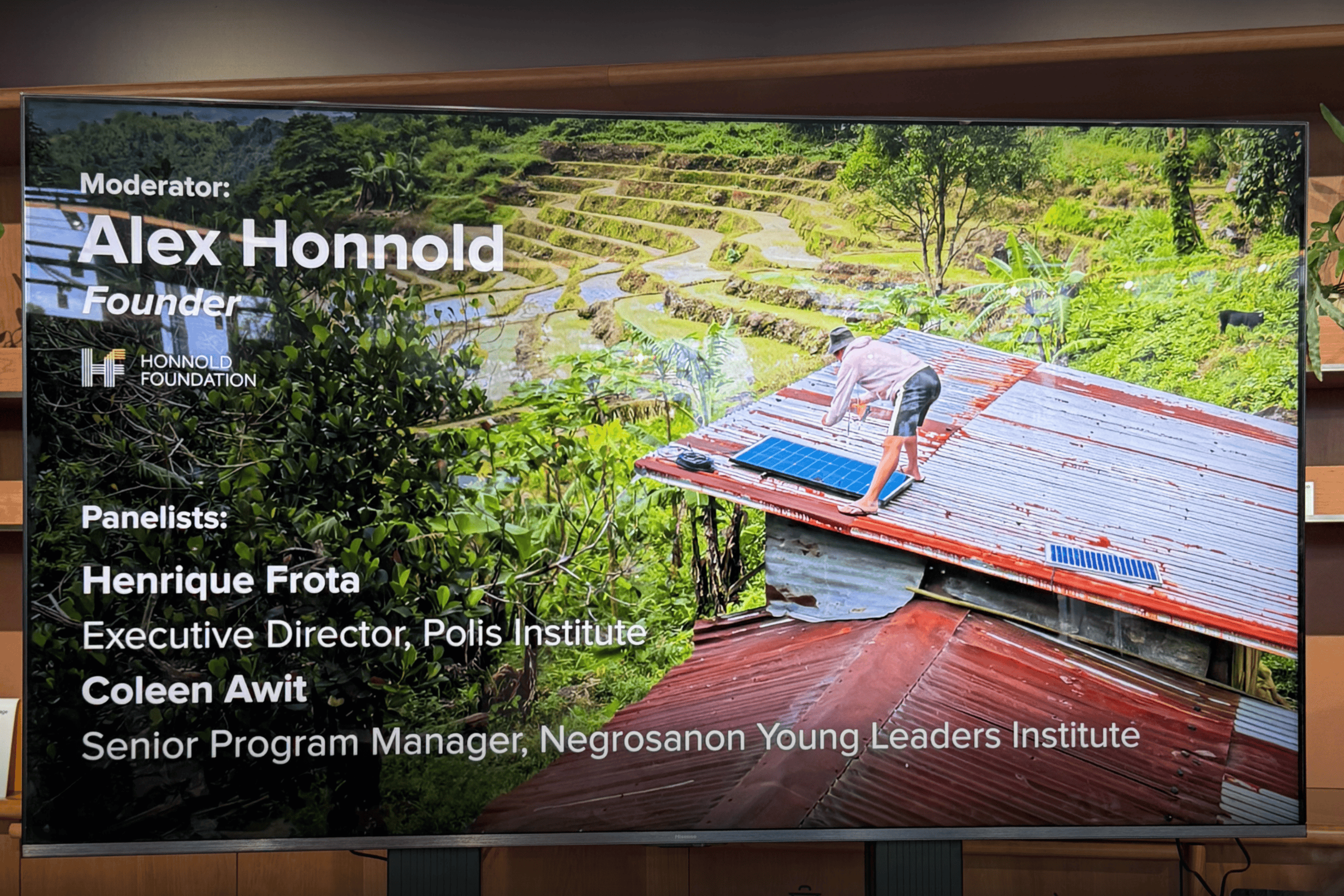
NYLI CSC’s Coleen Awit, Senior Program Manager, joined Honnold Foundation Founder and professional rock climber Alex Honnold for a fireside conversation at The Bright Spot: A Honnold Foundation Community Convening, hosted by Rivian.
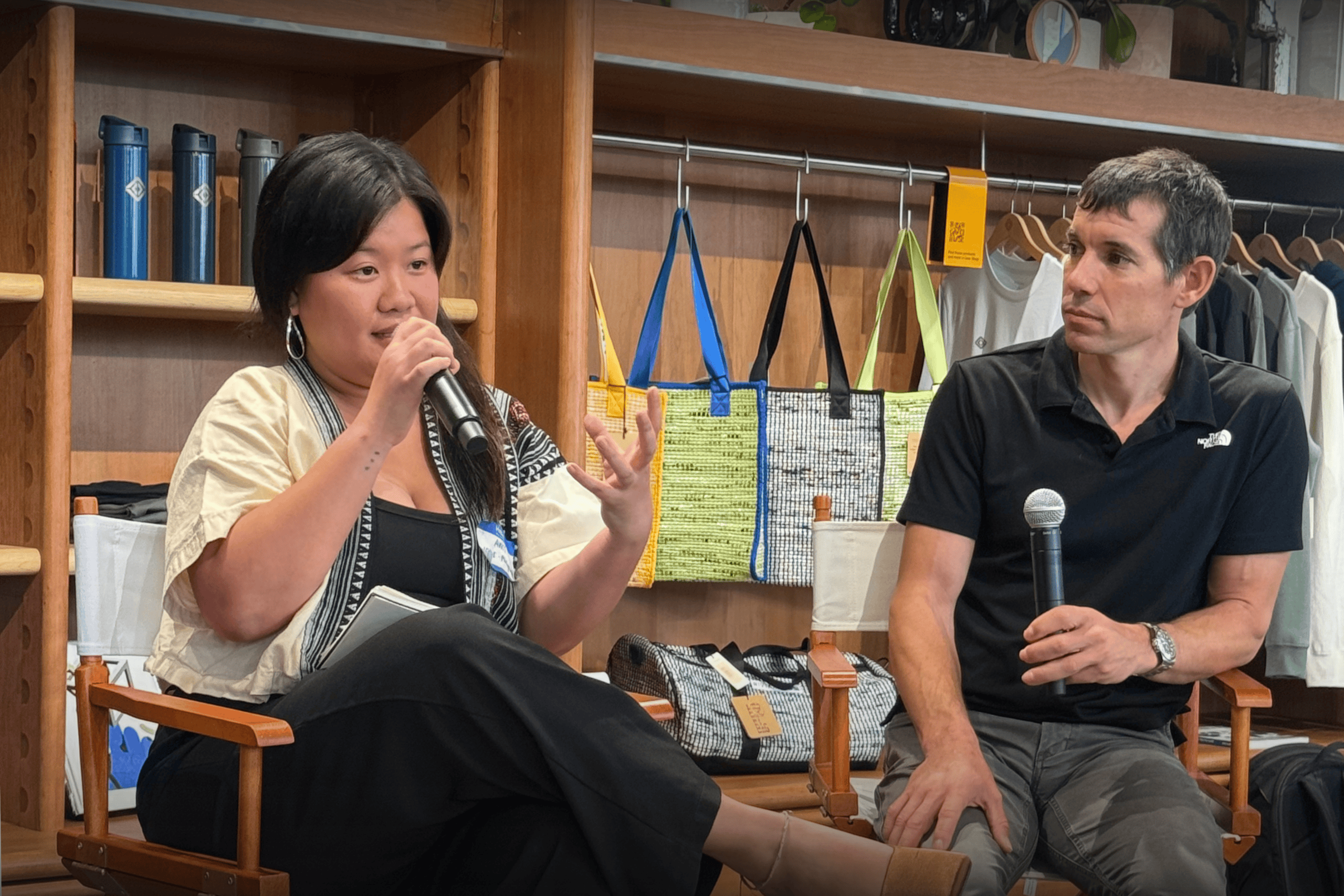
The gathering brought together more than 20 community partners from around the world, giving local leaders a platform to share how solar energy is being used to address community needs and build resilience. NYLI brought the experience of communities in Negros Occidental to the global climate conversation, representing the Philippines in the Honnold Foundation’s international community of partners.
The discussion highlighted Project REConnect, a community-based renewable energy initiative supported by the Honnold Foundation, which brought solar-powered solutions to Nayon, Hinobaan, and Don Salvador Benedicto. The project installed 16.44 kilowatts of solar capacity, benefiting more than 1,000 people and avoiding an estimated 14.20 tonnes of carbon dioxide emissions annually.
In Nayon, solar power supports a community cold storage facility, helping fisherfolk reduce post-harvest losses. In Hinobaan, a solar-powered system and water pump provide more reliable water access for an upland elementary school and help reduce electricity expenses. In Don Salvador Benedicto, solar home systems initially reached 37 households, with 13 additional homes later benefiting, providing cleaner and more reliable lighting and allowing children to study at night while reducing reliance on kerosene lamps.
These interventions show how renewable energy can support basic services and livelihoods alongside climate action. NYLI also highlighted the role of young people in the energy transition through Solarkadas, which builds youth knowledge and practical skills on solar energy and community-based climate solutions.
NYLI is also looking at how these community-based solutions can be scaled through local government partnerships. “A big strategy is engaging local government units to invest in replicating these concepts on a much bigger scale in their own communities and regions,” Awit said, highlighting the importance of working with local chief executives and policymakers to bring proven solutions to more communities.

For a country highly exposed to climate and disaster risks, decentralized renewable energy can also contribute to community resilience. The Philippines ranked first in the 2022 WorldRiskIndex, which assessed disaster risk across 193 countries.
NYLI’s participation in the New York gathering brought the experiences of Negros communities into international discussions on renewable energy, climate resilience, and locally led climate action.
The Institute remains committed to working with communities, young people, local governments, and partners to advance practical climate solutions and build more just and sustainable Filipino communities.